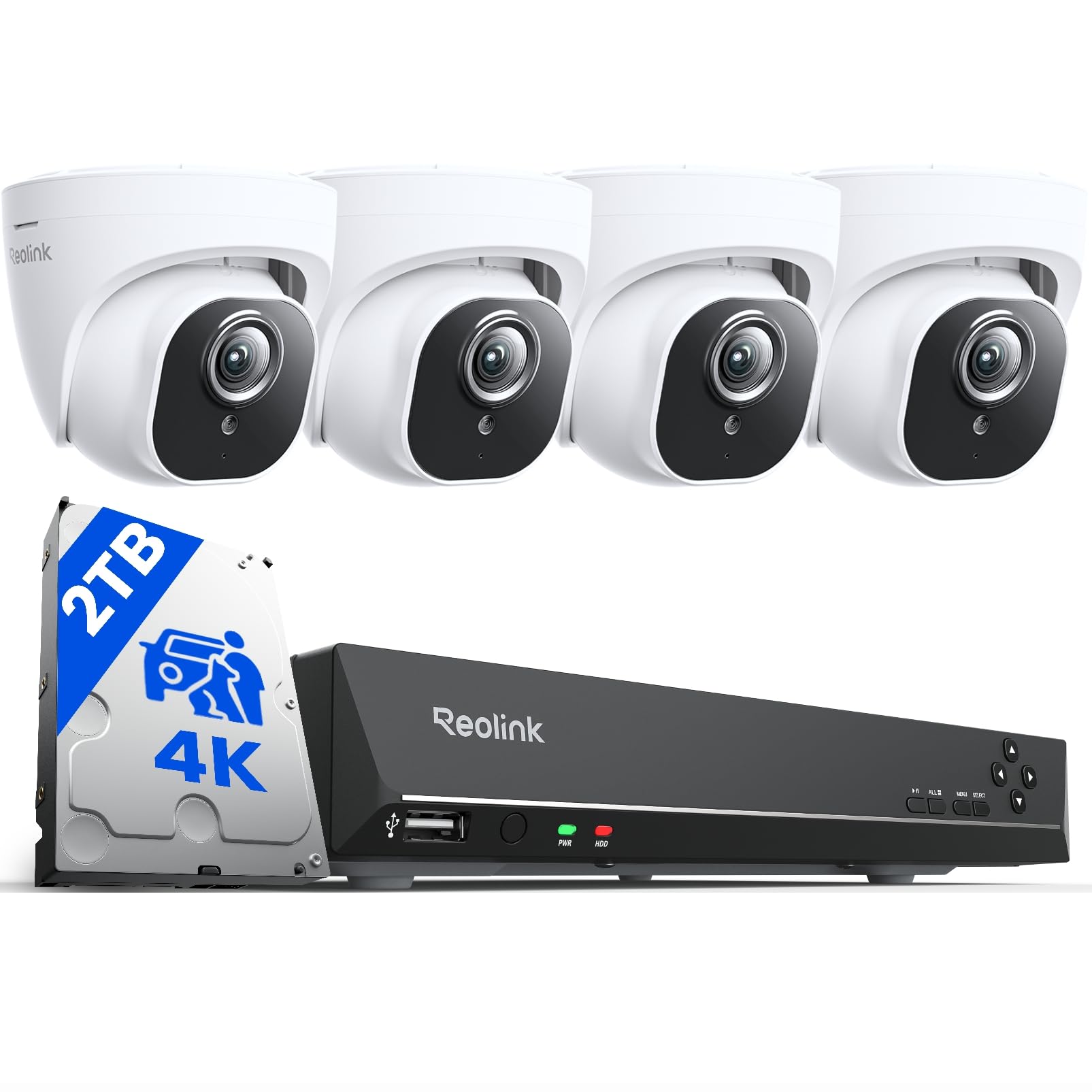
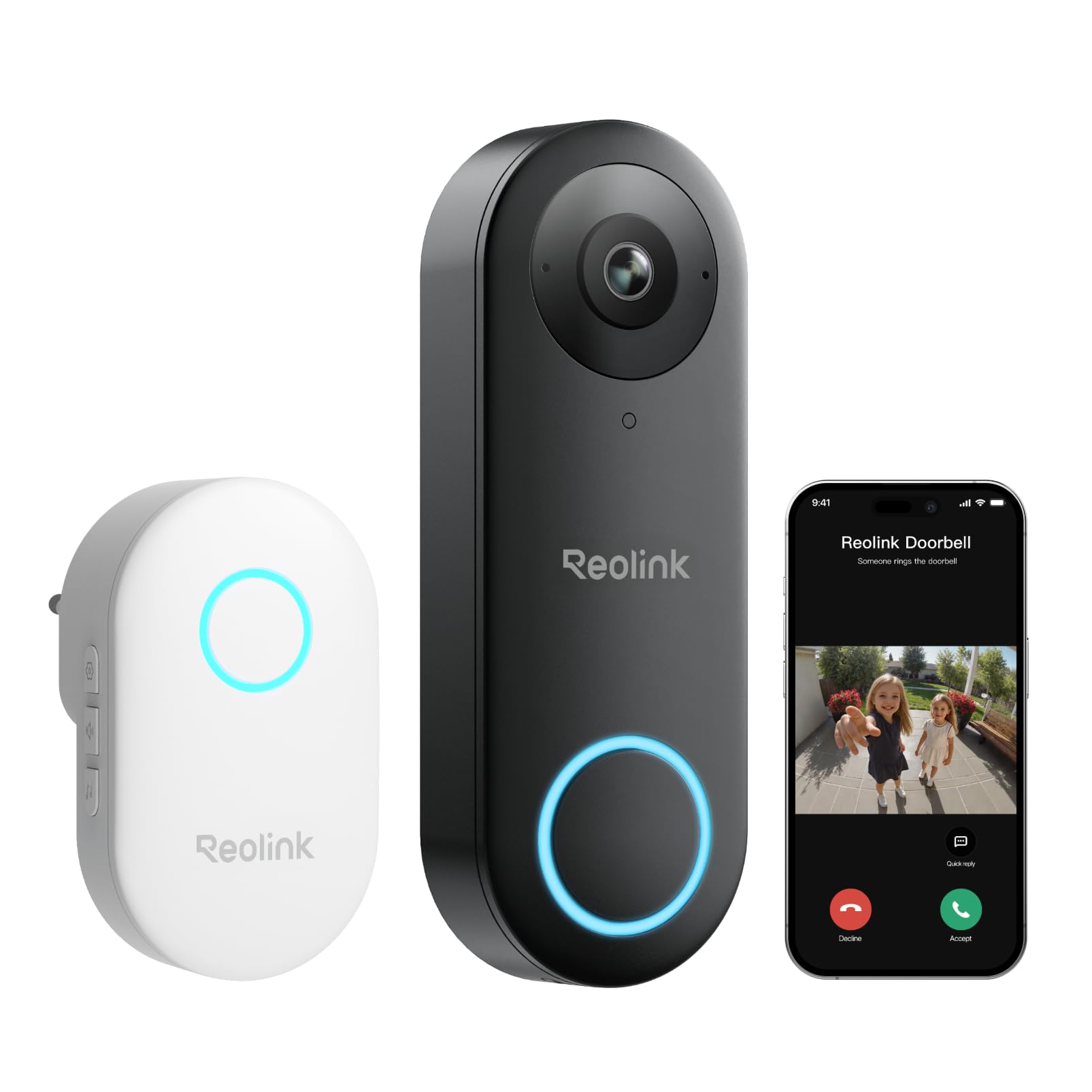
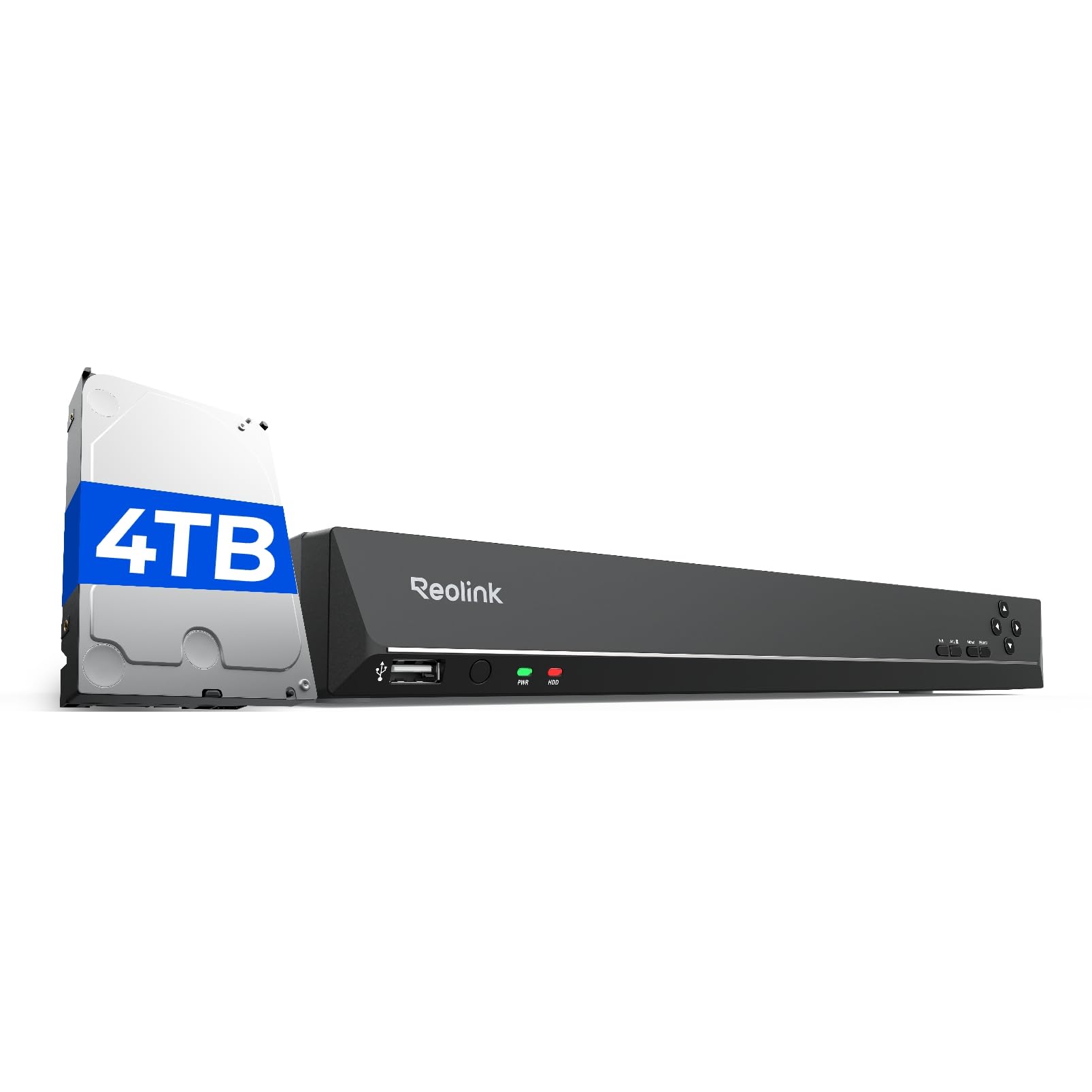
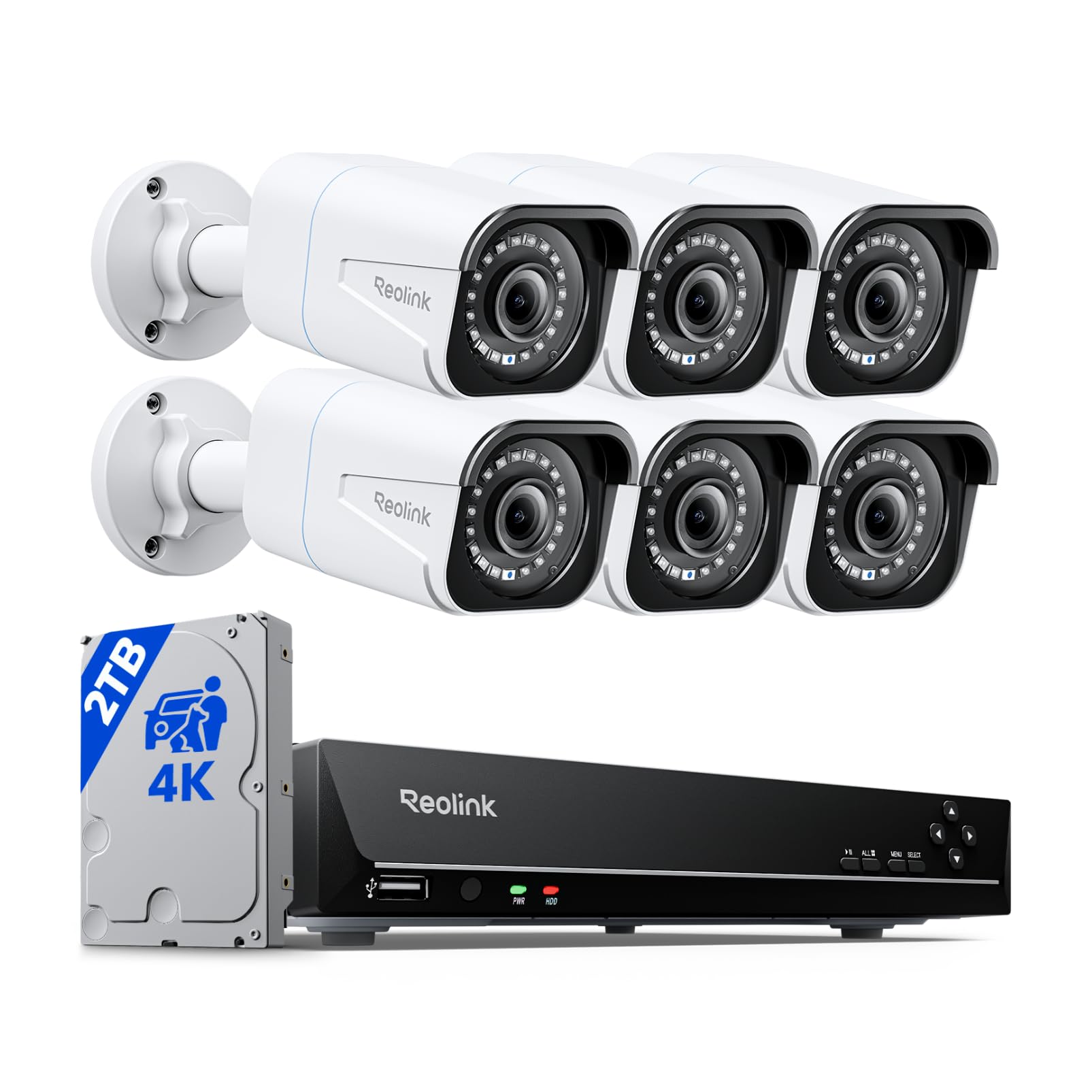
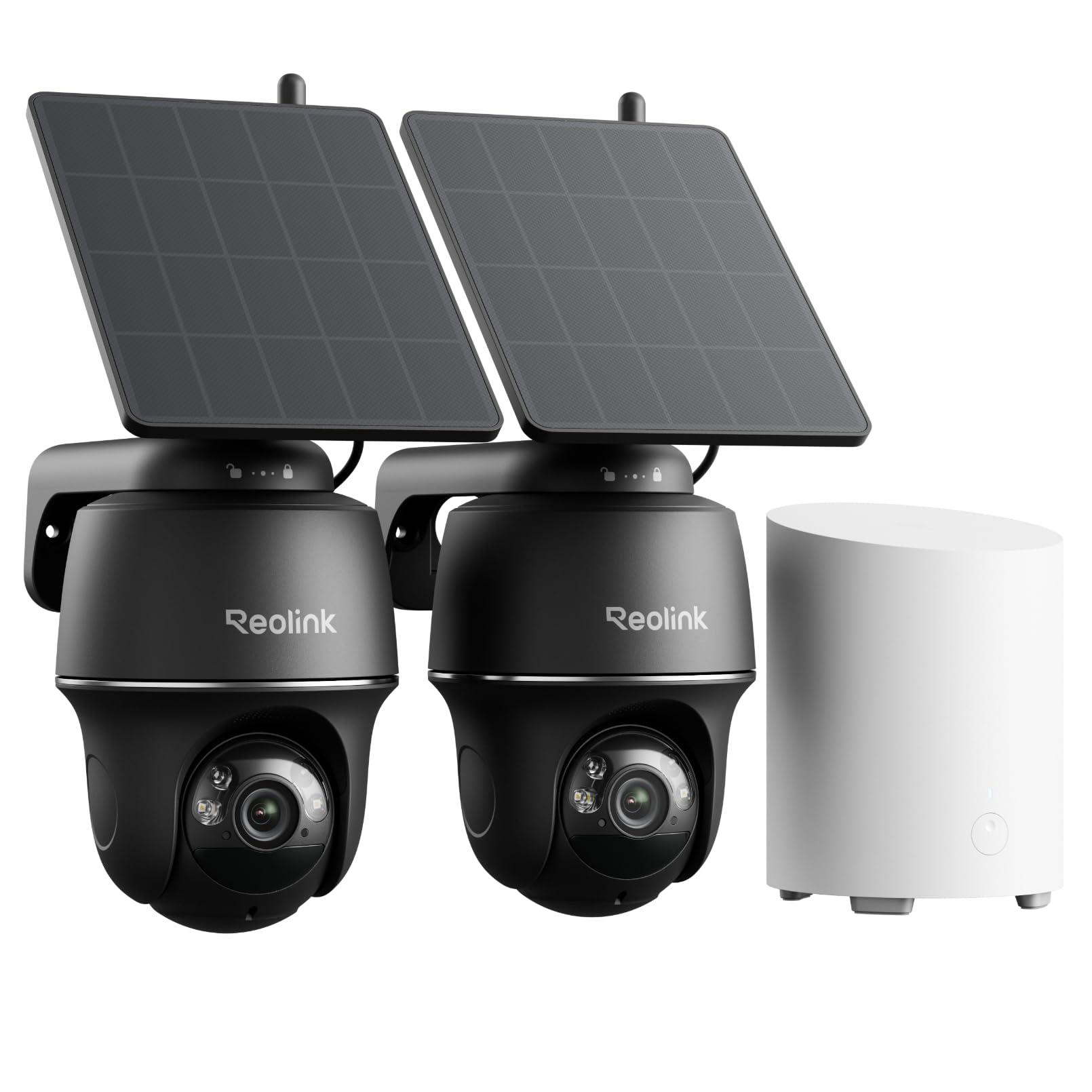
Overview of the Best Reolink Security Cameras
Home security cameras used to force a choice between cheap hardware with expensive cloud subscriptions, or professional CCTV with professional installation bills. Reolink has built its reputation by refusing both compromises: serious 4K hardware, local storage you own outright, and no mandatory monthly fees. For UK households wanting genuine 24/7 recording rather than motion clips held to ransom in the cloud, it is one of the strongest propositions on the market.
The Reolink range covered here spans wired PoE doorbells with chime units, multi-camera 4K CCTV kits with network video recorders (NVRs), and pre-installed NVR systems ready to record sixteen channels around the clock. PoE (Power over Ethernet) means a single cable carries both power and video — a cleaner, more reliable setup than Wi-Fi for permanent installations, immune to signal dropouts and deliberate jamming.
What consistently sets Reolink apart is the recording model: footage lands on your own NVR hard drive or microSD card, viewable from the app anywhere, with continuous 24/7 recording rather than gap-prone motion clips. Smart detection distinguishes people, vehicles and animals to cut false alerts, colour night vision keeps detail after dark, and there is no subscription required for any core function — ever.
Standout picks right now:
Whether you need a single smart doorbell or a full perimeter system for a detached property, the Reolink models below cover every tier without locking you into recurring fees. All are available on Amazon with fast delivery and free returns, and several carry meaningful discounts at the time of writing.
How to Choose the Right Reolink System
Reolink's catalogue splits naturally by how you power the cameras and where the footage is stored. Answer four questions — wired or wireless, how many cameras, how much recording history, doorbell or not — and the right kit picks itself. Here is what matters in each decision.
PoE vs Wi-Fi
PoE cameras receive power and send video down one Ethernet cable, which makes them the gold standard for permanent home CCTV: no batteries to charge, no Wi-Fi dead zones, no interference. Wi-Fi and battery models suit rented homes or spots where cabling is impractical. If you are buying a multi-camera kit for a property you own, PoE is worth the one-off cabling effort.
Resolution: 4K as the Baseline
Resolution decides whether footage is evidence or just a record that something happened. 4K (8MP) captures readable number plates and faces at realistic distances, and lets you digitally zoom without the image collapsing into blocks. Reolink's 4K kits cost little more than older 1080p systems, so there is rarely a reason to settle for less on a new installation.
NVR Storage and Recording History
An NVR with a pre-installed hard drive records every camera continuously, typically holding several weeks of footage before overwriting the oldest material. Check the drive size against your camera count: a 2TB drive comfortably handles four 4K cameras for around two weeks of 24/7 recording. Drives are user-expandable, and there are no cloud fees regardless of how much you record.
Doorbell Integration
Reolink's wired doorbells deliver sharp head-to-toe video, work with an indoor chime, and integrate into the same app — and the same NVR — as your other cameras. If you already run a Reolink kit, adding the doorbell unifies every recording in one timeline. Two-way audio and person detection come standard, with no subscription for any of it.
Smart Detection and Night Vision
Person, vehicle and animal detection runs on the camera itself, so alerts are filtered before they reach your phone — expect a fraction of the false alarms a basic motion sensor produces. For night coverage, spotlight-equipped models record in full colour after dark, while standard infrared covers longer ranges in black and white. Place colour night vision where identification matters most: entrances and driveways.